A coursework portfolio in computer-aided textile design — six briefs spanning surface-pattern development, digital print, technical drawing and machine embroidery, built across Illustrator, Photoshop and Wilcom.
Overview
Designing on Screen
This module translated hands-on textile thinking into a digital production workflow. Across six assignments I built repeating surface patterns, developed full digital print layouts for three-piece suits, drafted production-ready technical flats, and digitised an embroidery design for machine output — closing with a complete floral collection carried through to applied mockups. Each brief moves from research and moodboard, to element extraction, to a resolved, production-ready outcome.
Assignment 01 · Surface Pattern
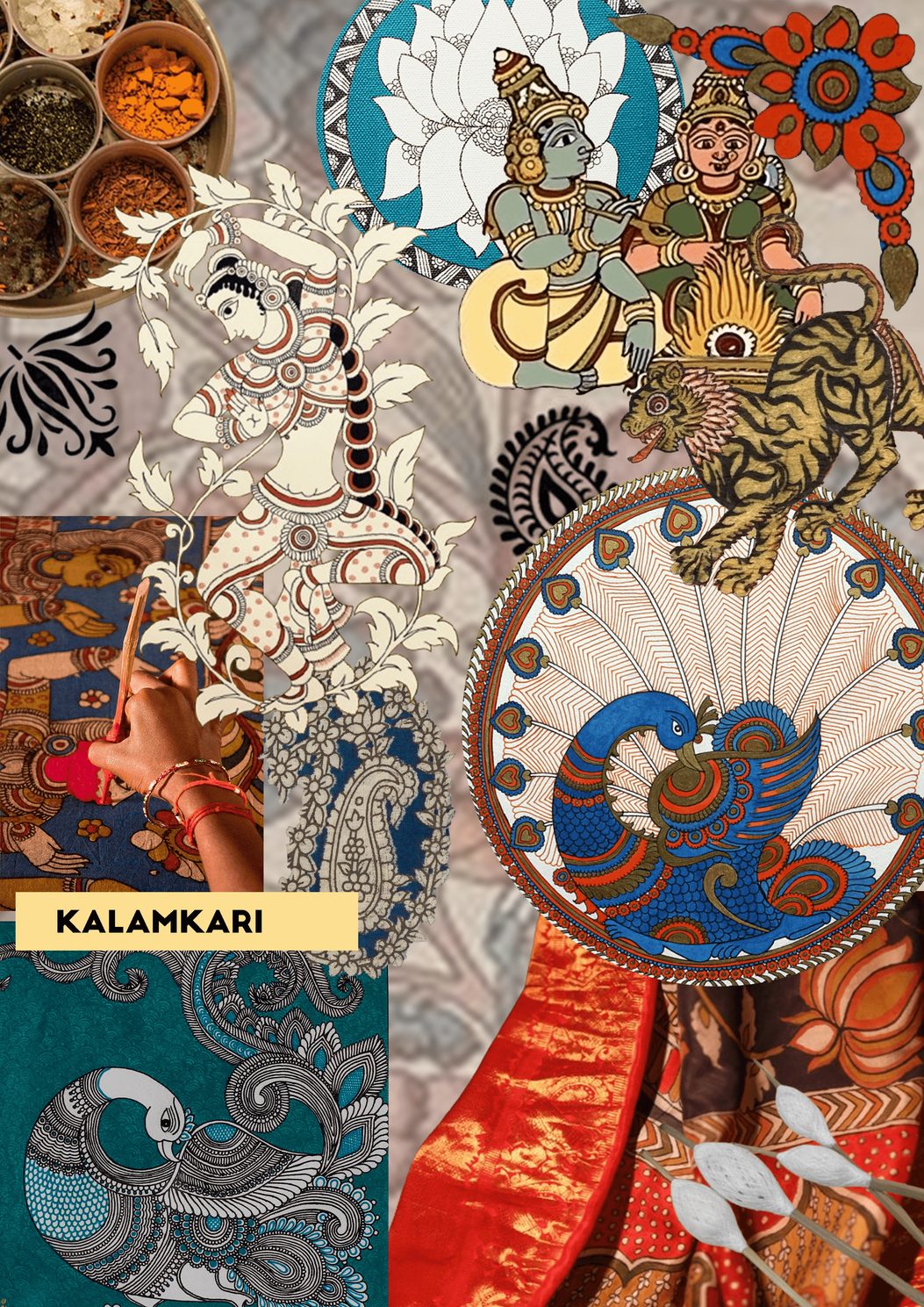
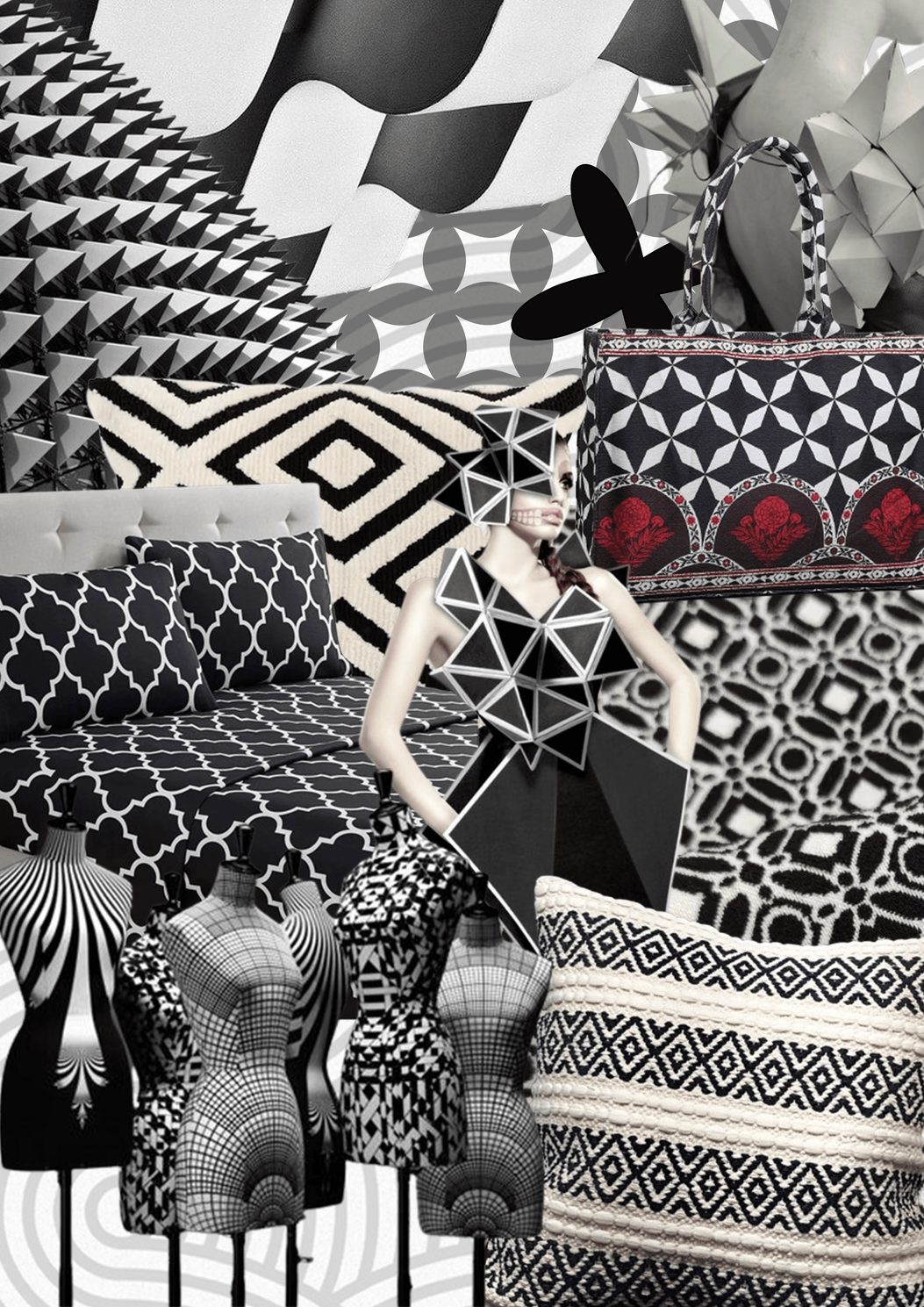
Kalamkari × Geometry
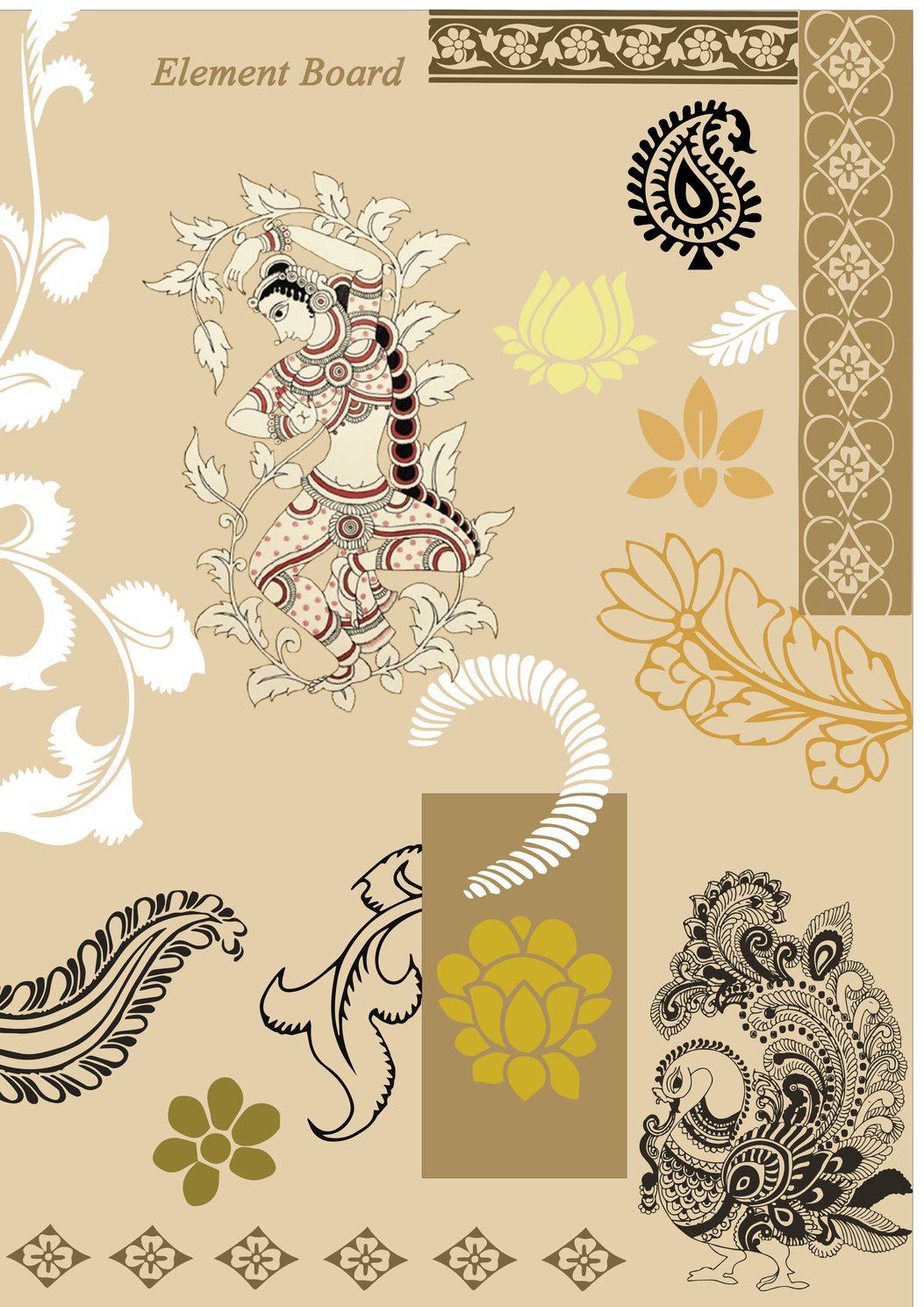
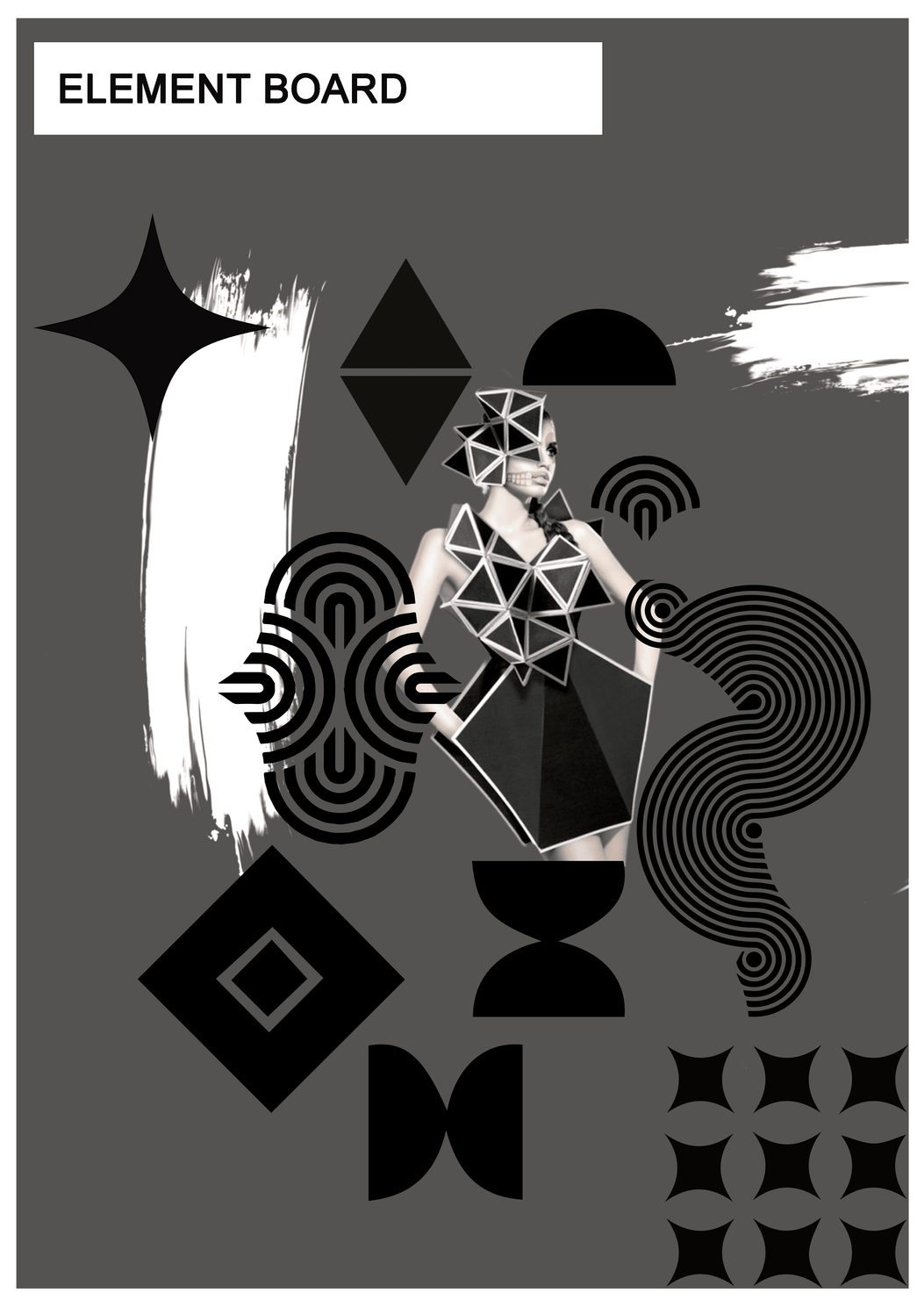
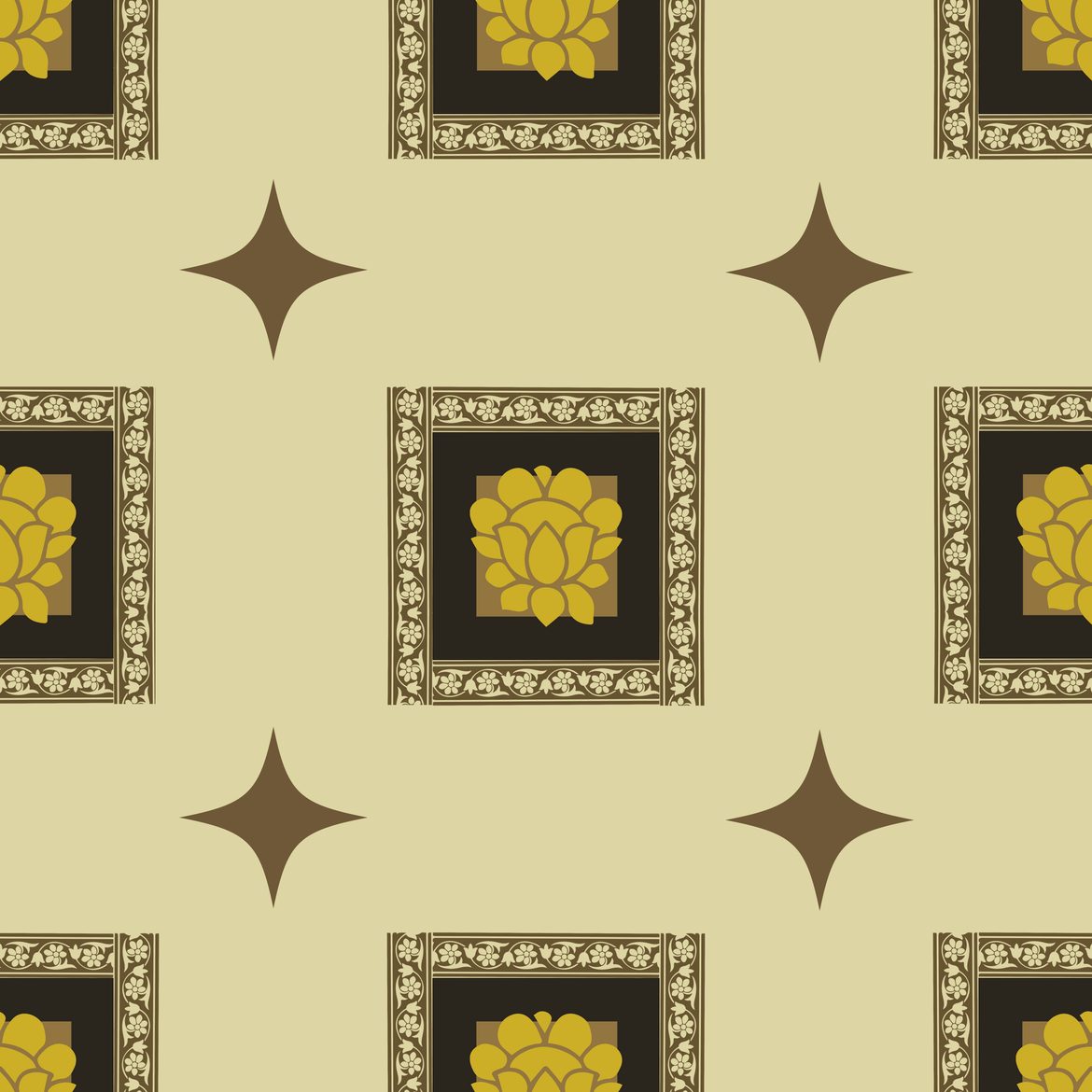
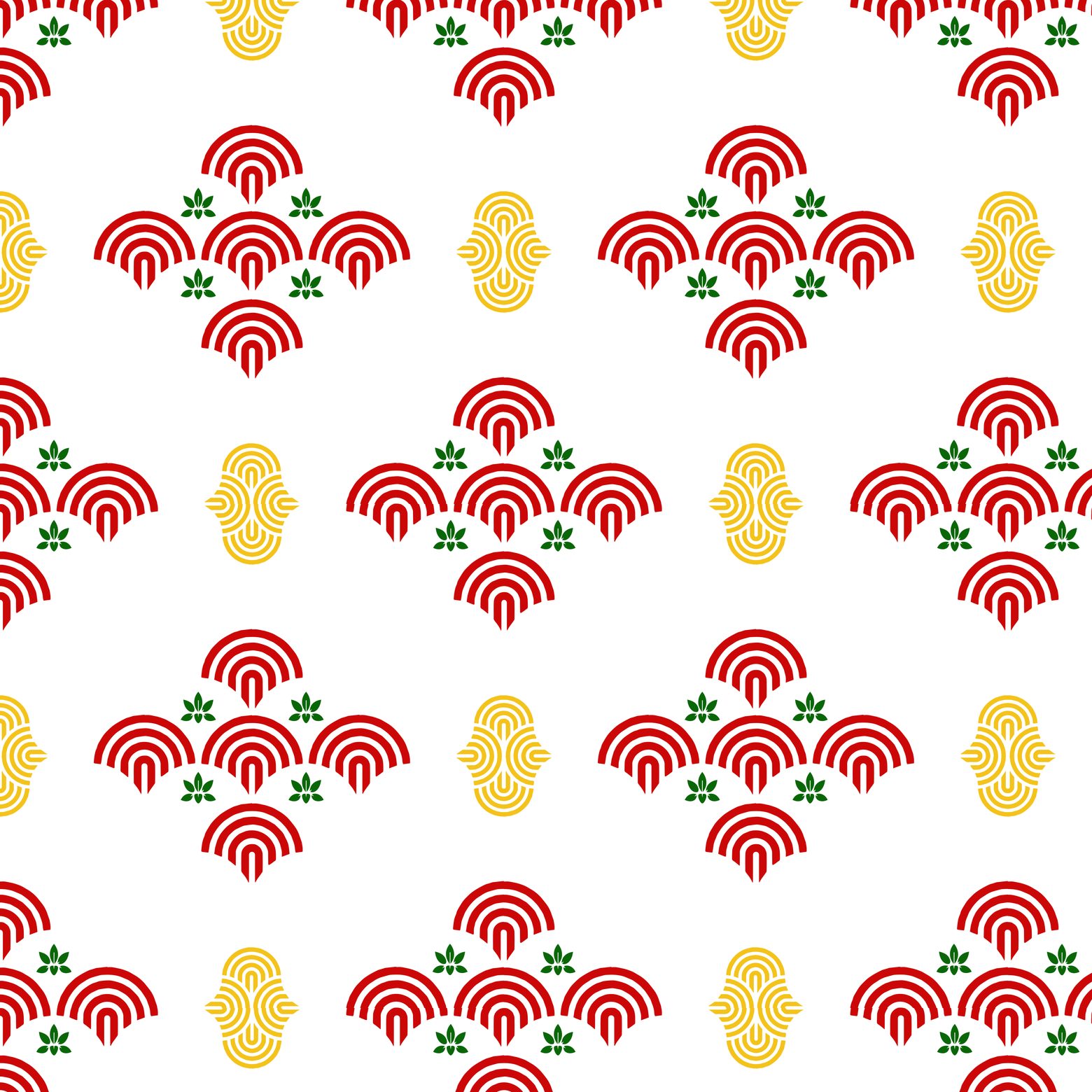
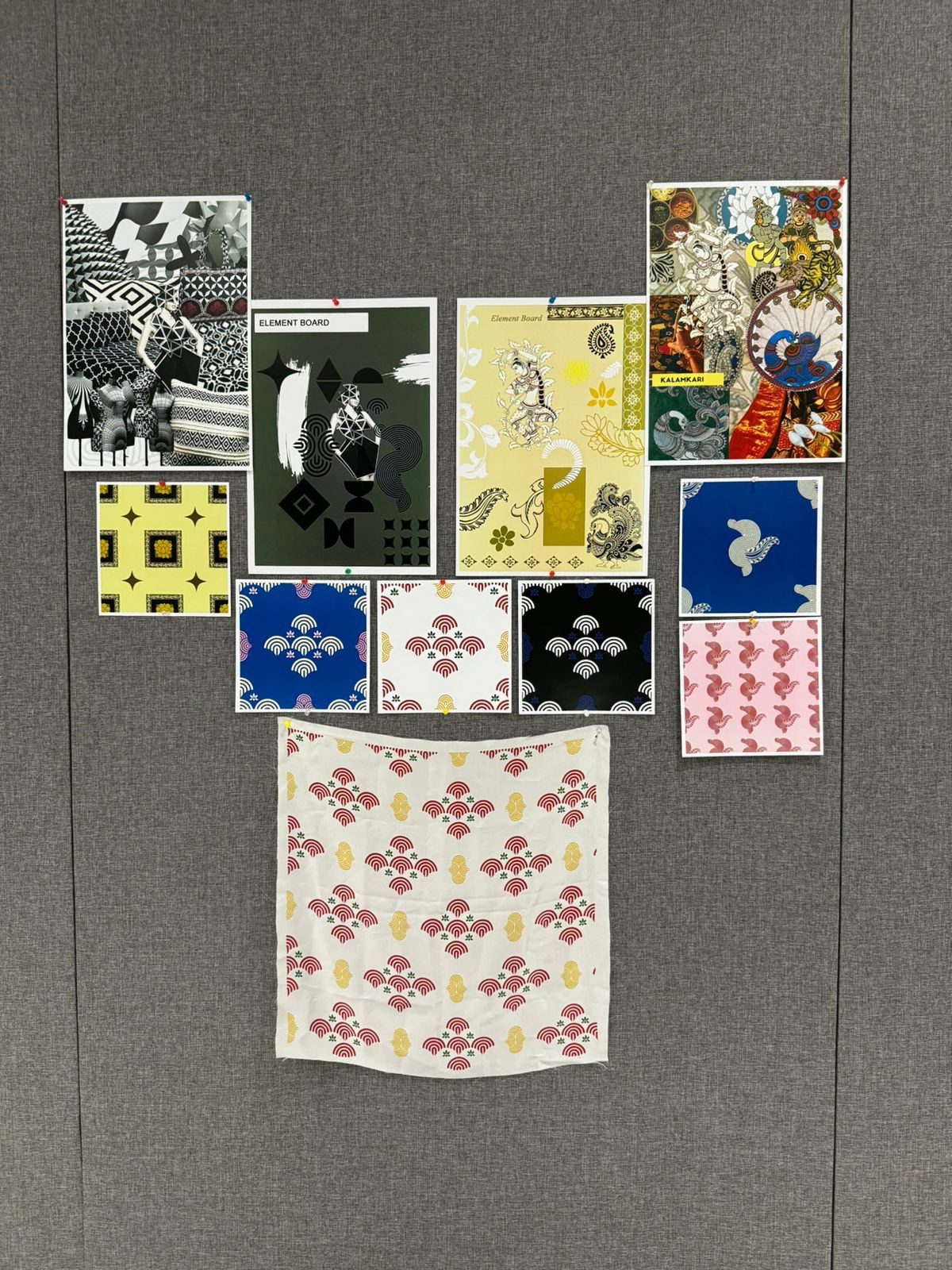
The first brief fused two opposing visual languages — the hand-drawn florals and mythological figures of South Indian Kalamkari, and crisp monochrome geometry. Motifs were extracted from each theme into element boards, then recombined into new repeating compositions and resolved into a final scalloped motif rendered across three colourways, before being printed and displayed.
Kalamkari · Moodboard
Monochrome Geometry · Moodboard
Element Board · Kalamkari
Element Board · Geometric Forms
Composition · Gilded Lotus
Final Motif · Colourway 03
Final Motif · Colourway 01
Studio Display
Assignment 02 · Digital Print
Monochrome Paisley
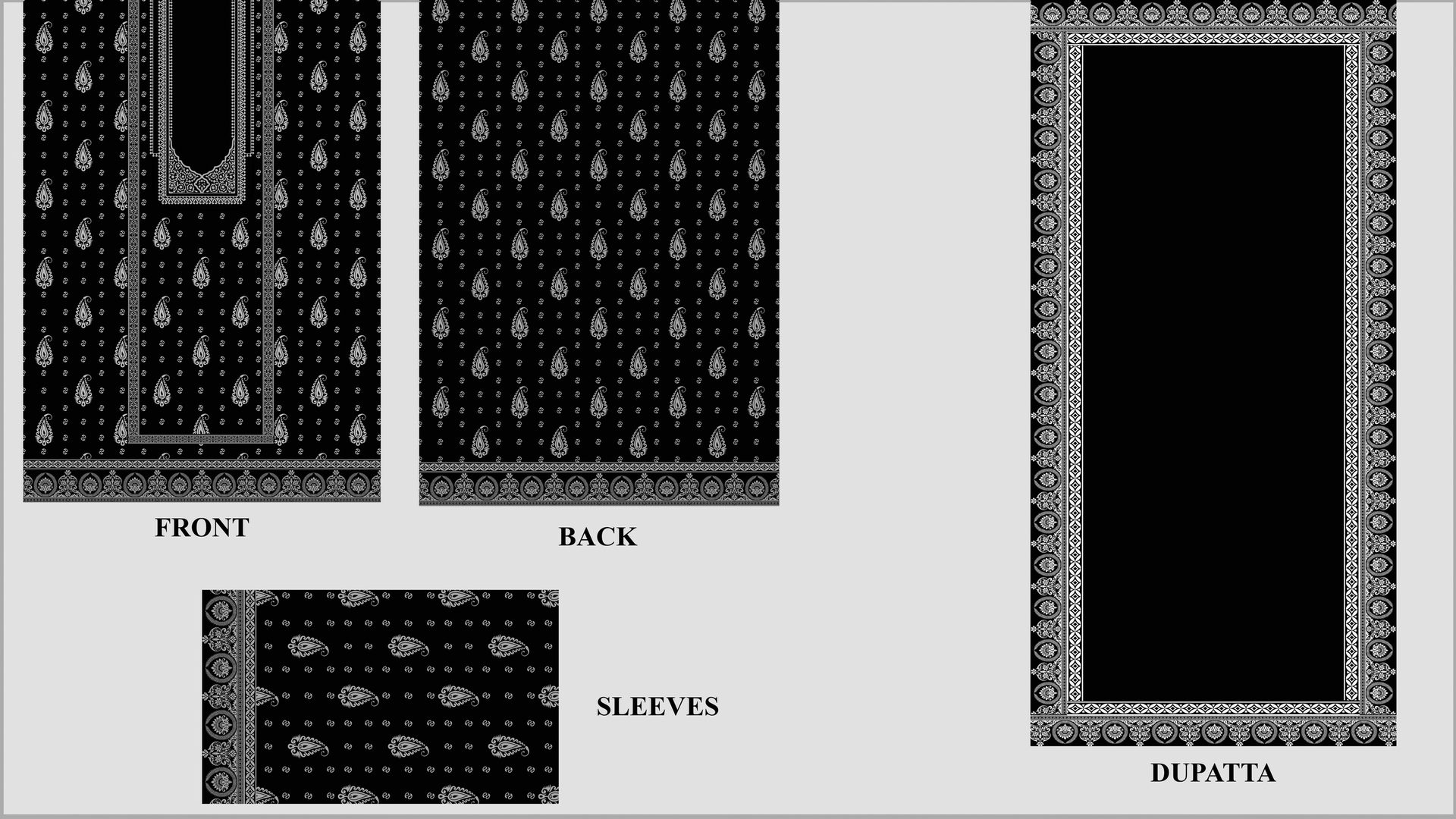
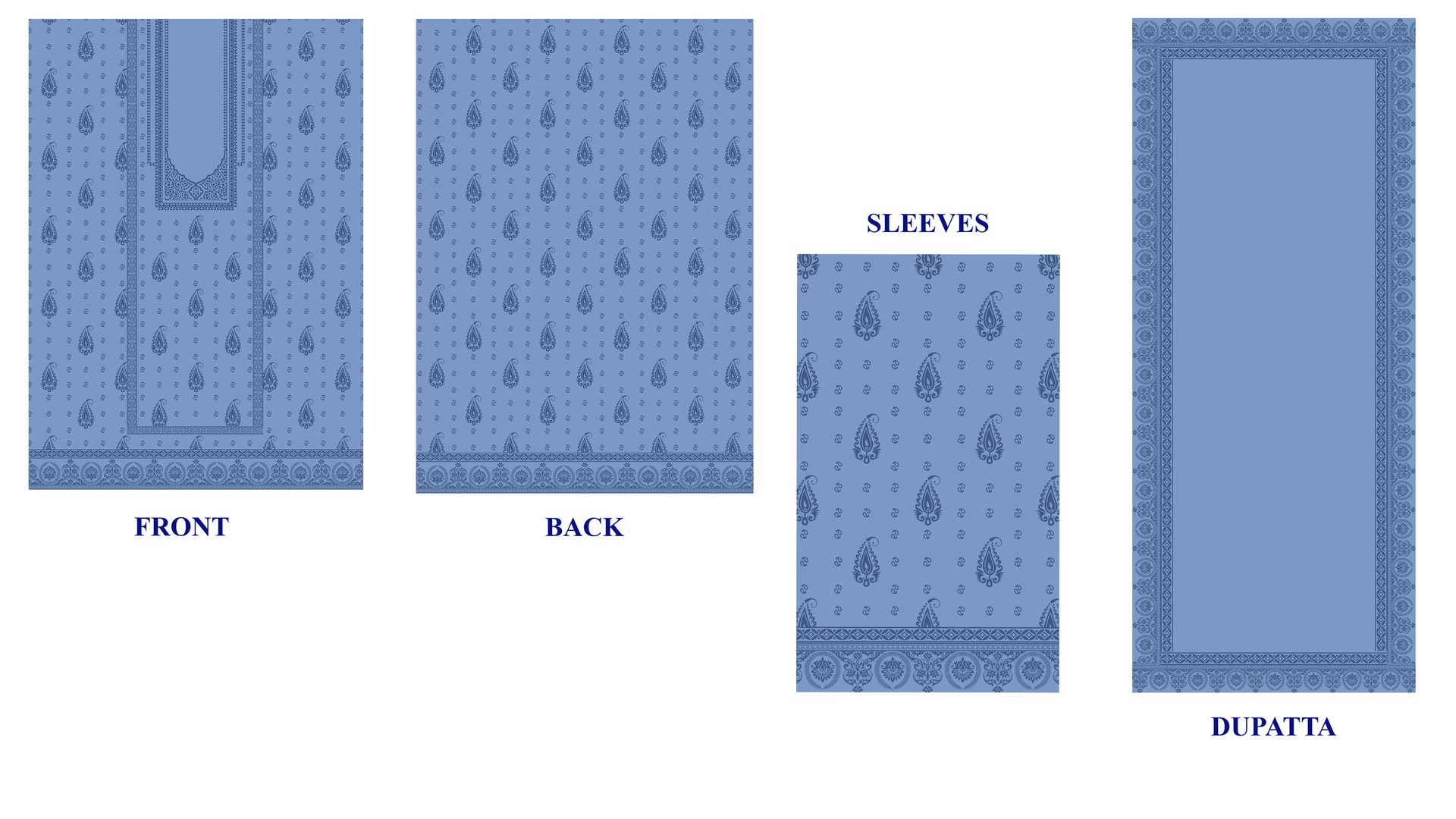
Inspired by Eastern textile heritage and Kashmiri embroidery reworked in a modern monochrome palette, this brief produced a full digital print layout for a traditional three-piece suit. Each garment panel — front, back, sleeves and dupatta — was composed with placed paisley motifs and a matching border, then offered in a second cornflower-blue colourway.
Charcoal Colourway · Suit Layout
Cornflower Colourway · Suit Layout
Assignment 03 · Digital Print
Blue & White Porcelain
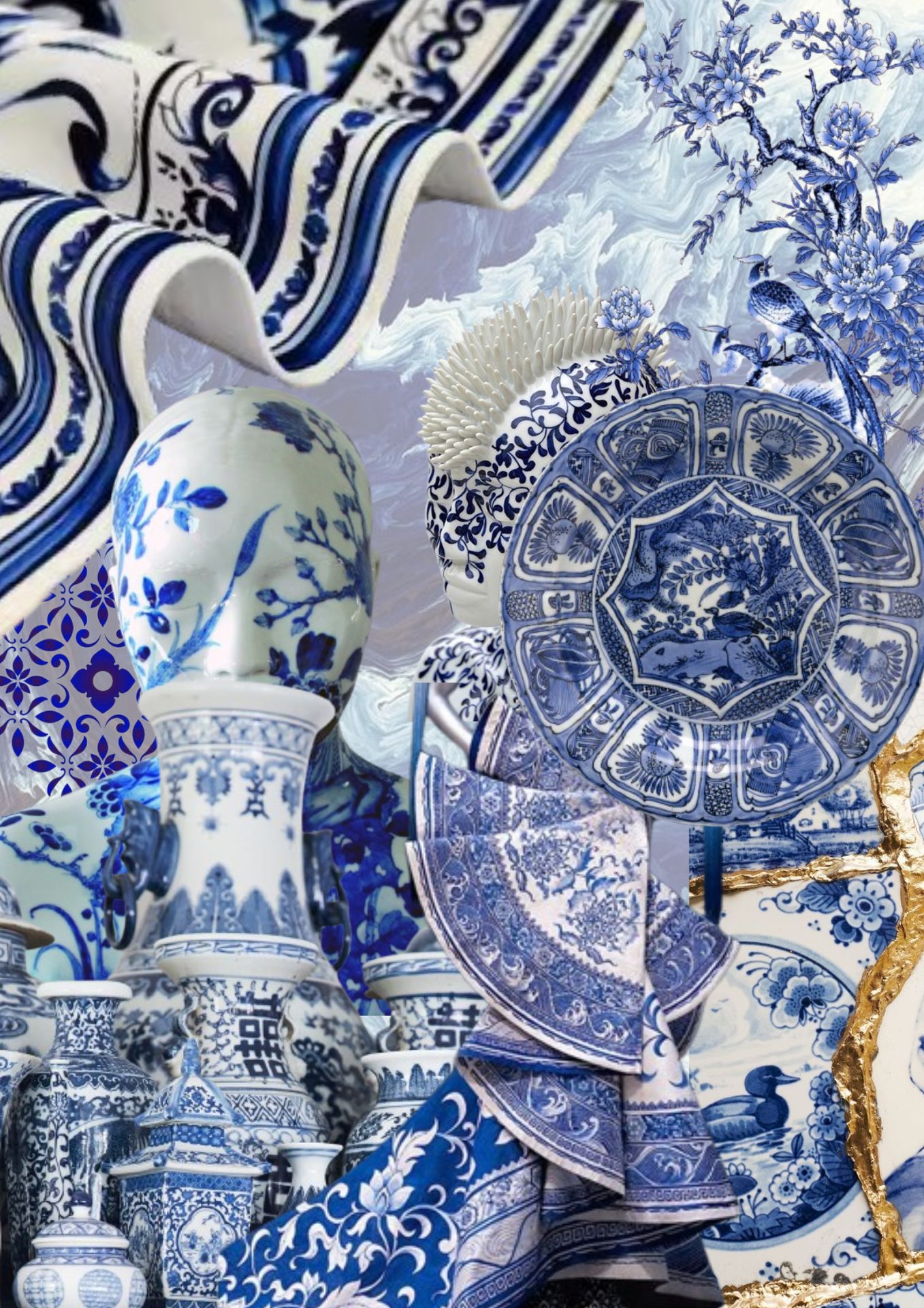
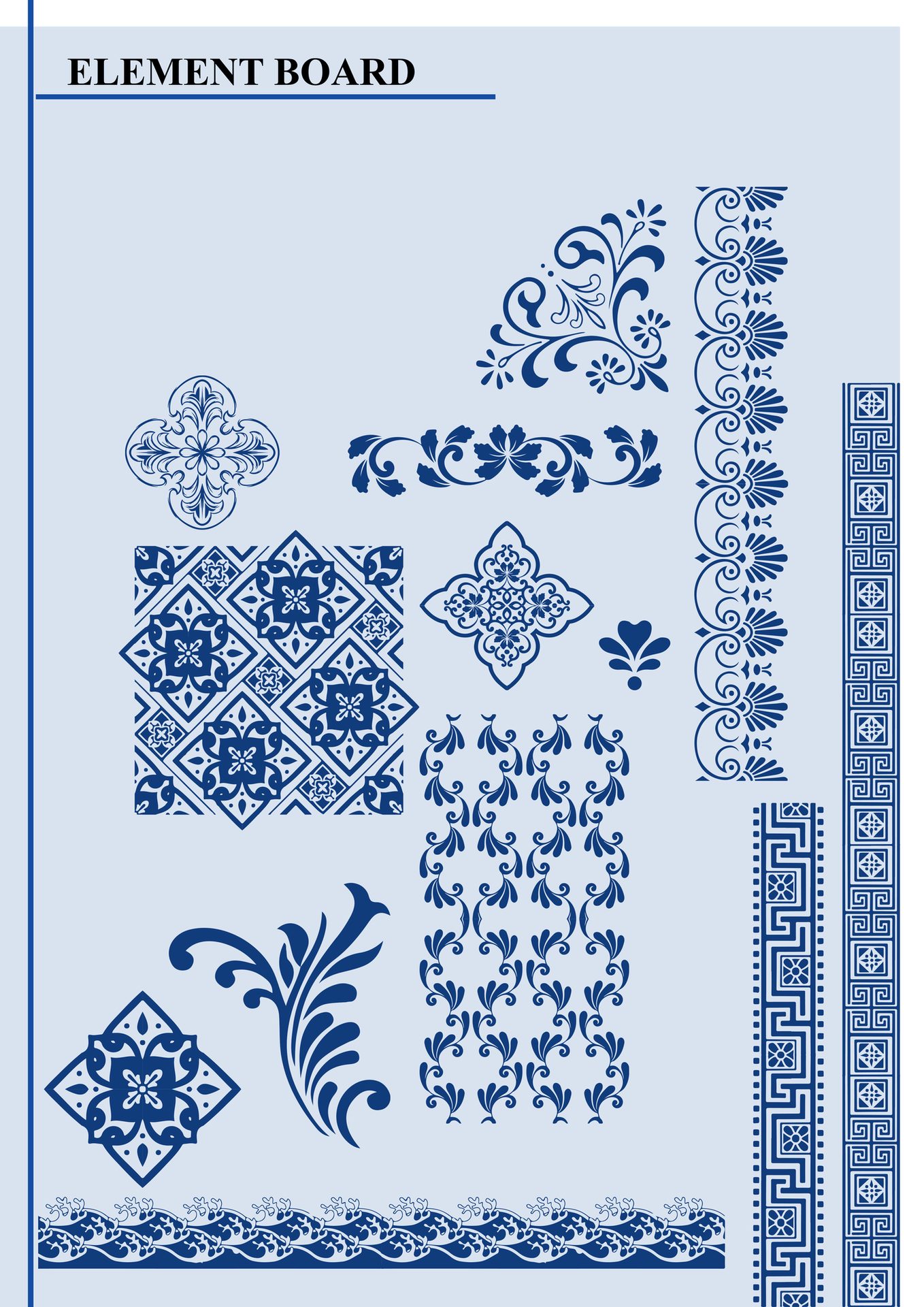
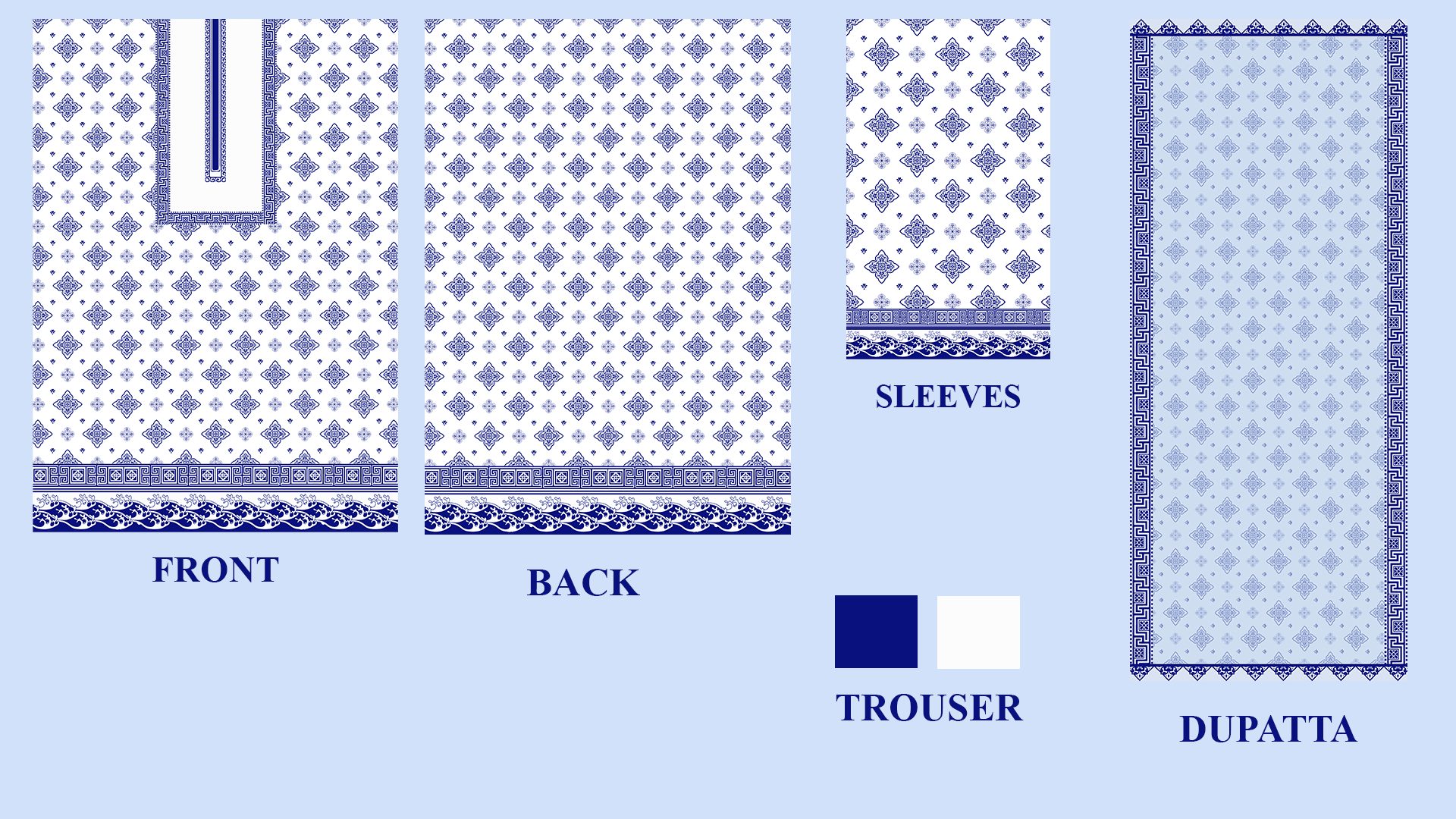
The third brief drew on Chinese blue-and-white porcelain — cobalt florals, medallions and wave-and-key borders. Motifs were studied into an element board and reinterpreted in a refined cobalt-on-white palette, then composed into a complete three-piece suit print layout with coordinated borders and a solid trouser.
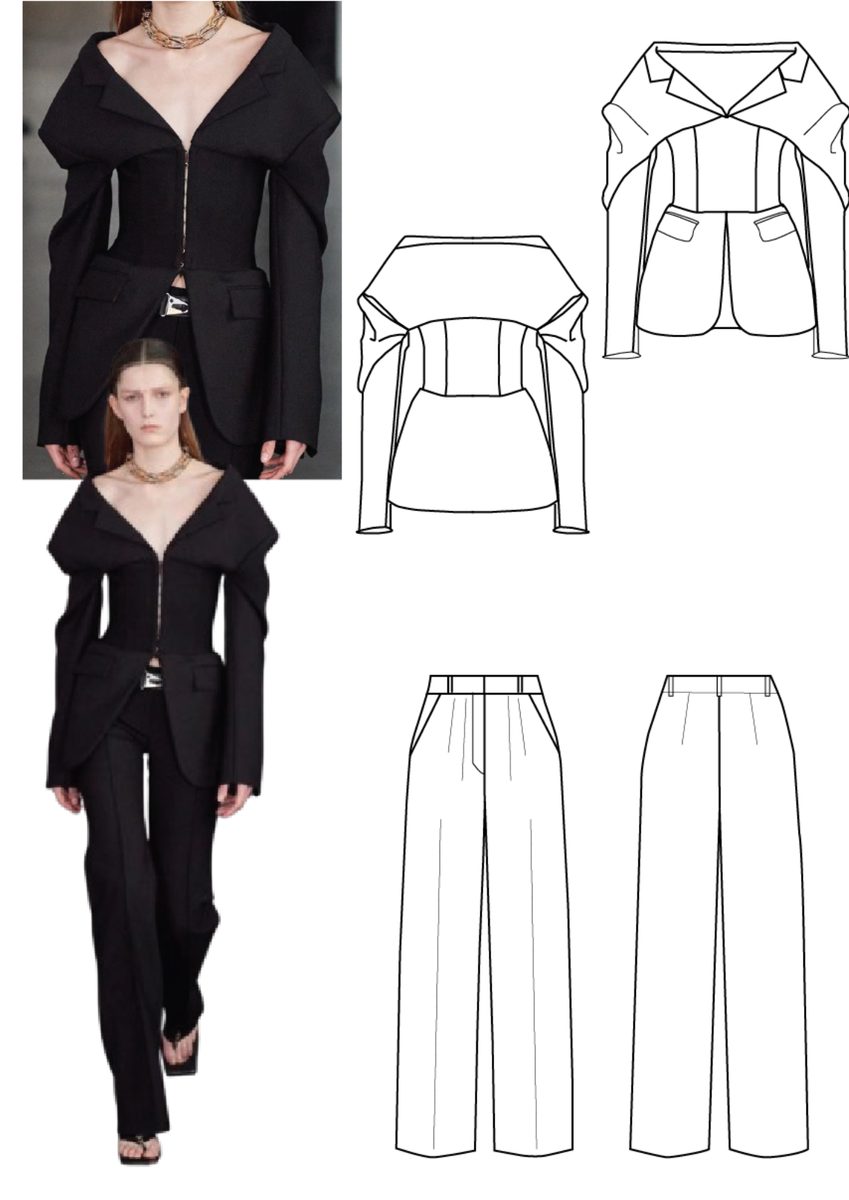
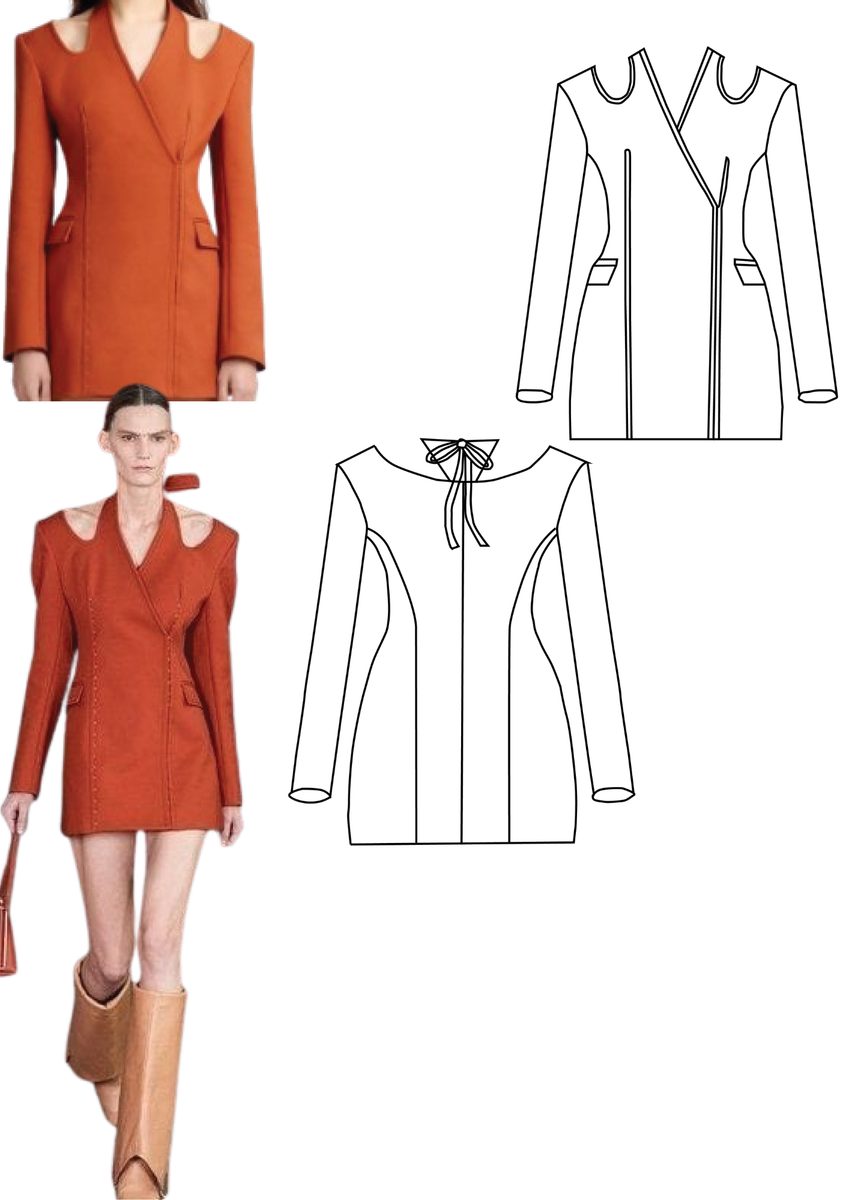
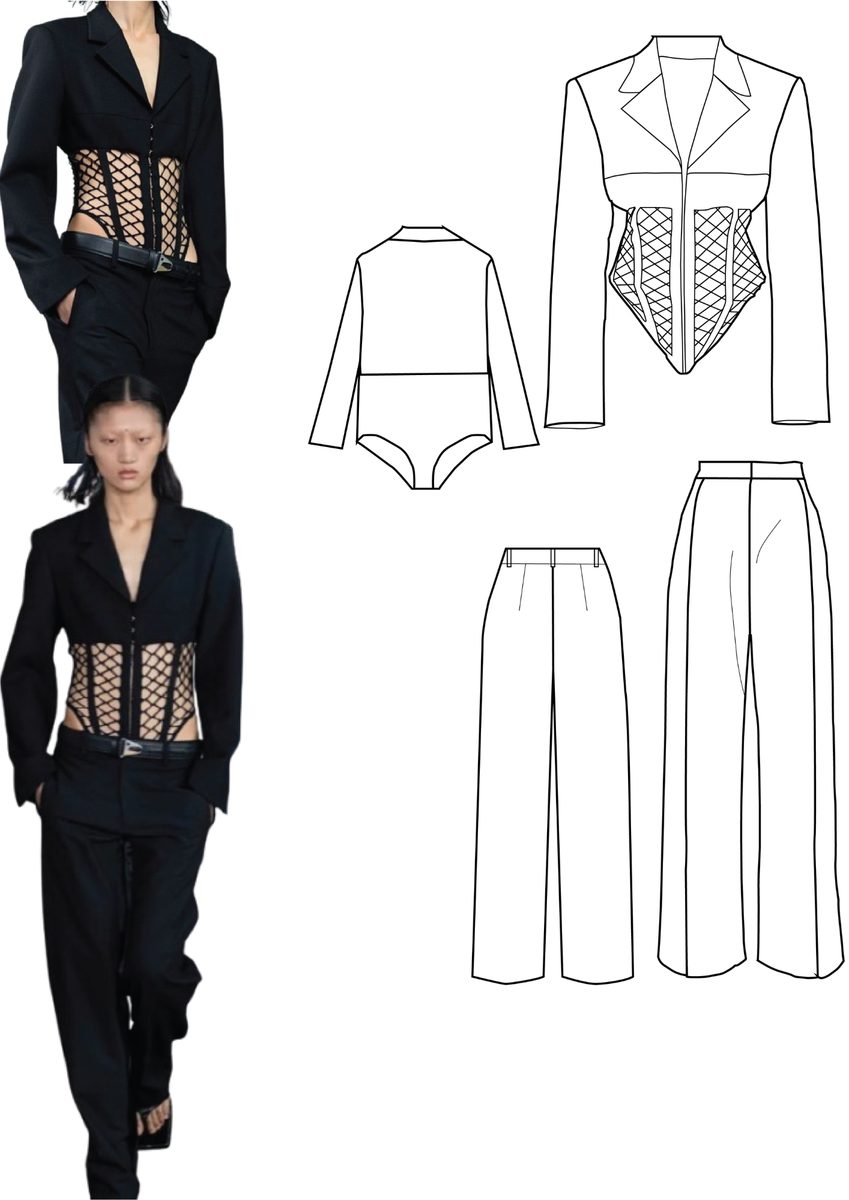
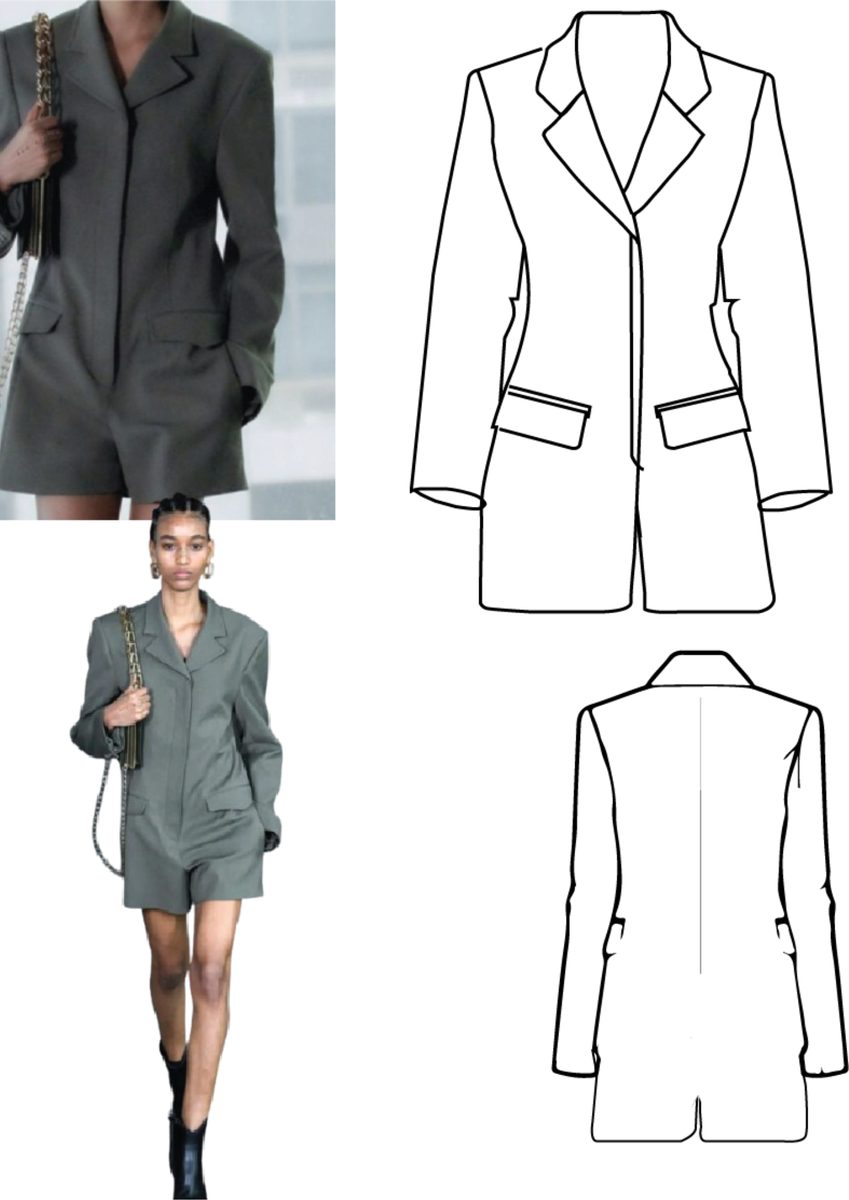
This brief built technical drawing skills — translating tailored, avant-garde garments into precise front-and-back CAD flats with construction notes covering collars, seams, closures and hemlines. The silhouettes were studied from a structured, contemporary ready-to-wear reference.
Off-Shoulder Jacket & Trousers
Cut-Out Mini Dress
Corset Jacket-Bodysuit & Trousers
Blazer Romper
Assignment 05 · Machine Embroidery
Wilcom Digitisation
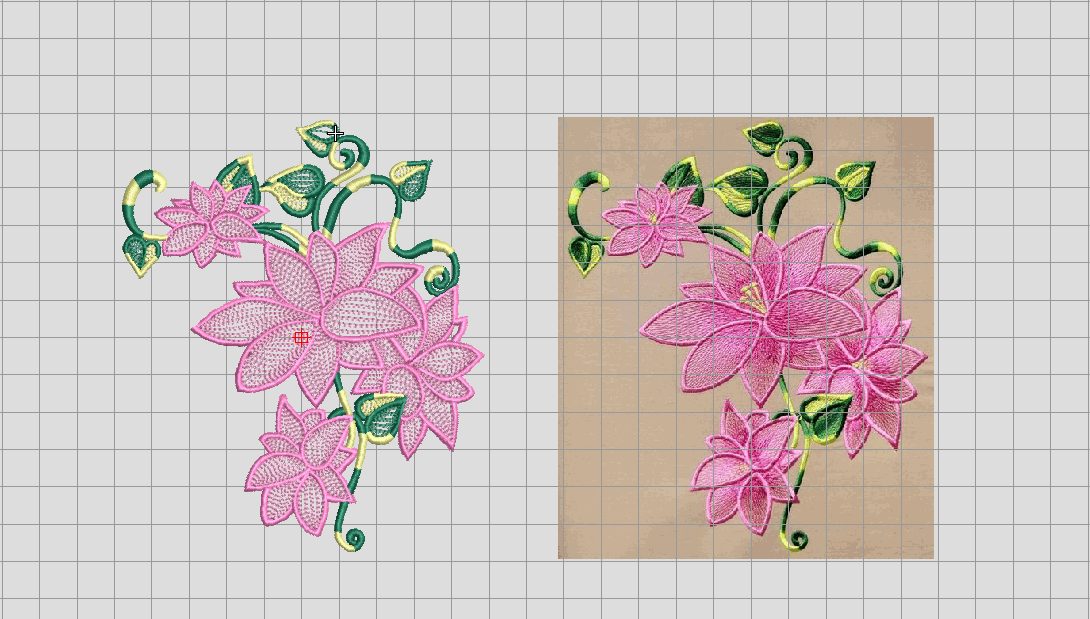
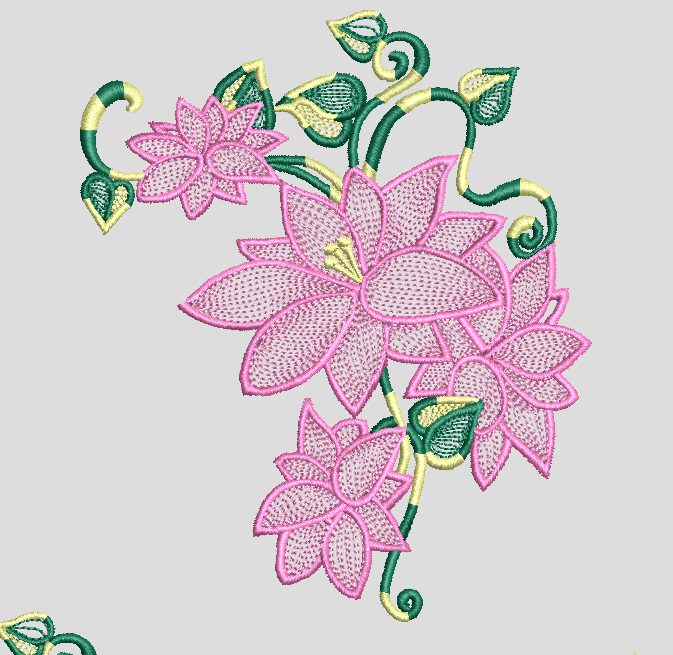
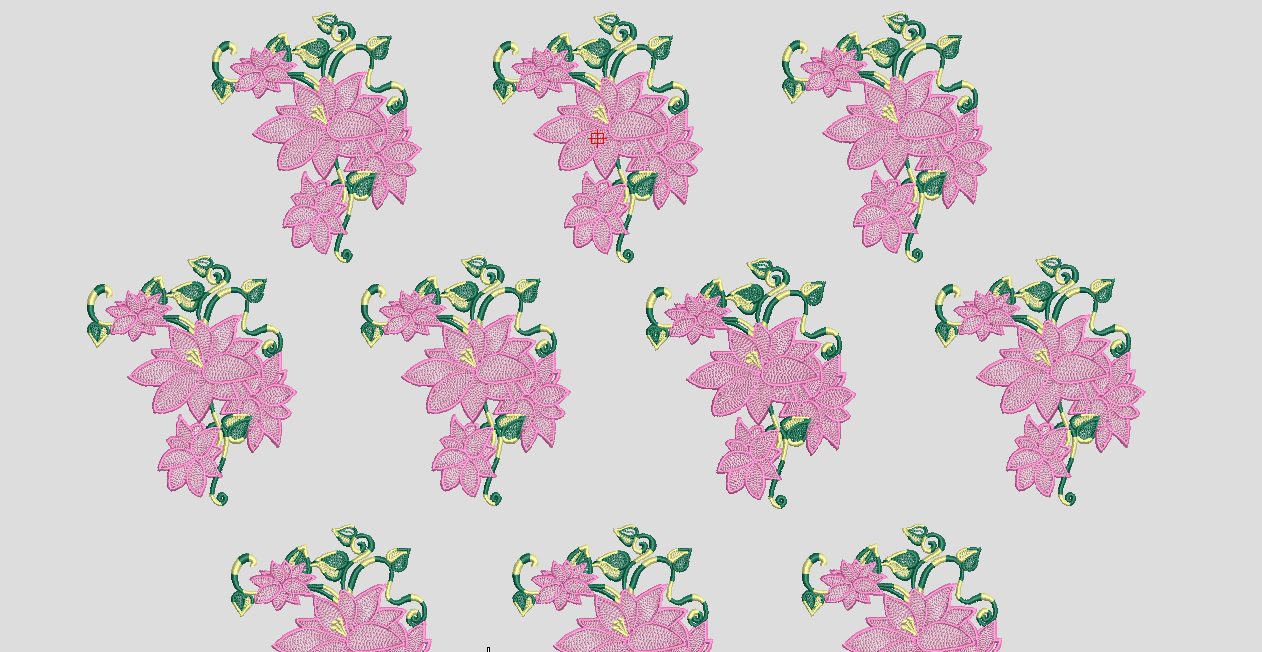
Using Wilcom embroidery software, a lotus-and-vine motif was digitised stitch by stitch — assigning stitch types, directions and underlay for machine output — then previewed on fabric and stepped into a half-drop repeat ready for production.
Wilcom Digitisation · Lotus Spray
Embroidery Stitch-Out
Repeat Layout
Final Assignment · Collection
Floral Collection
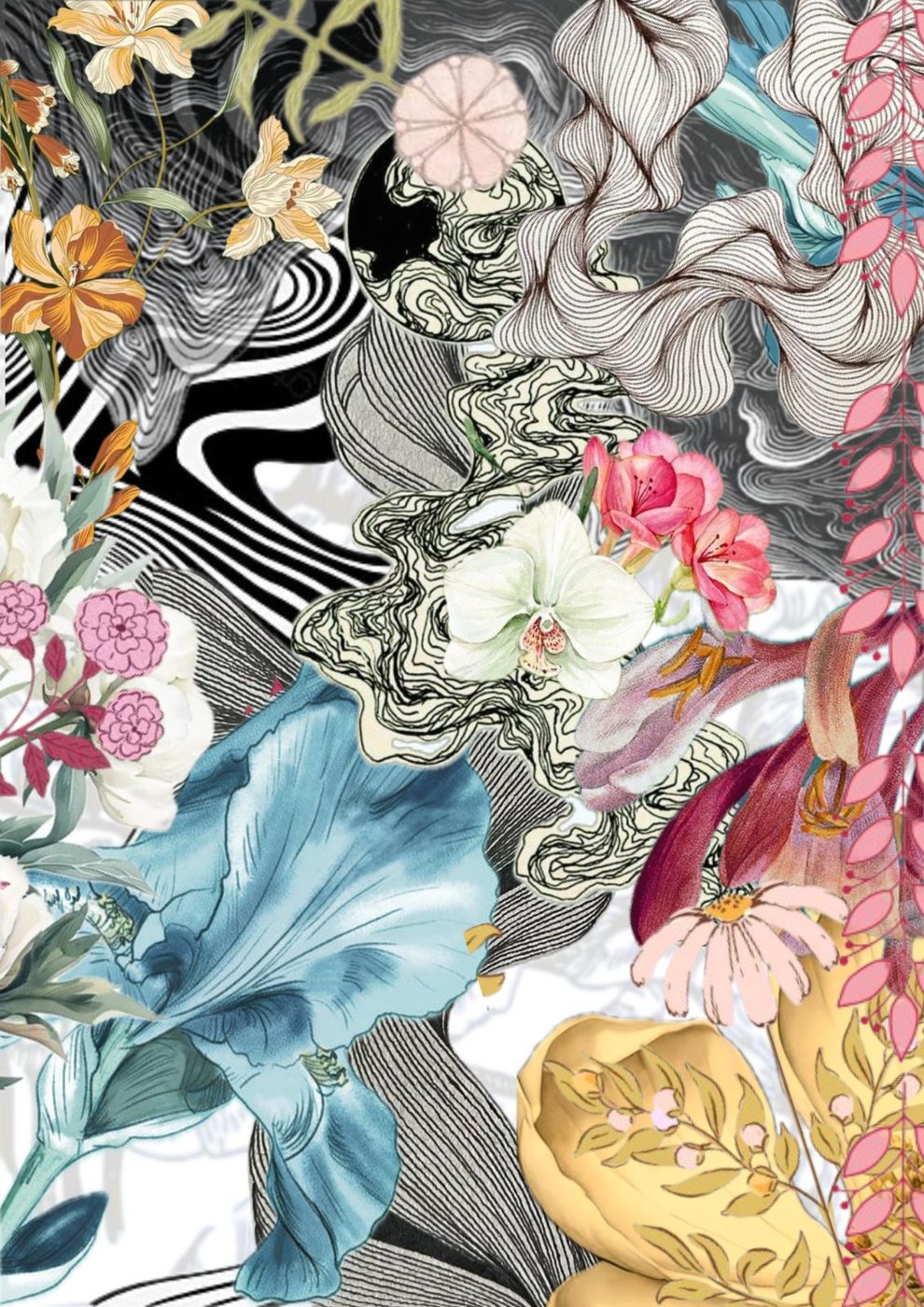
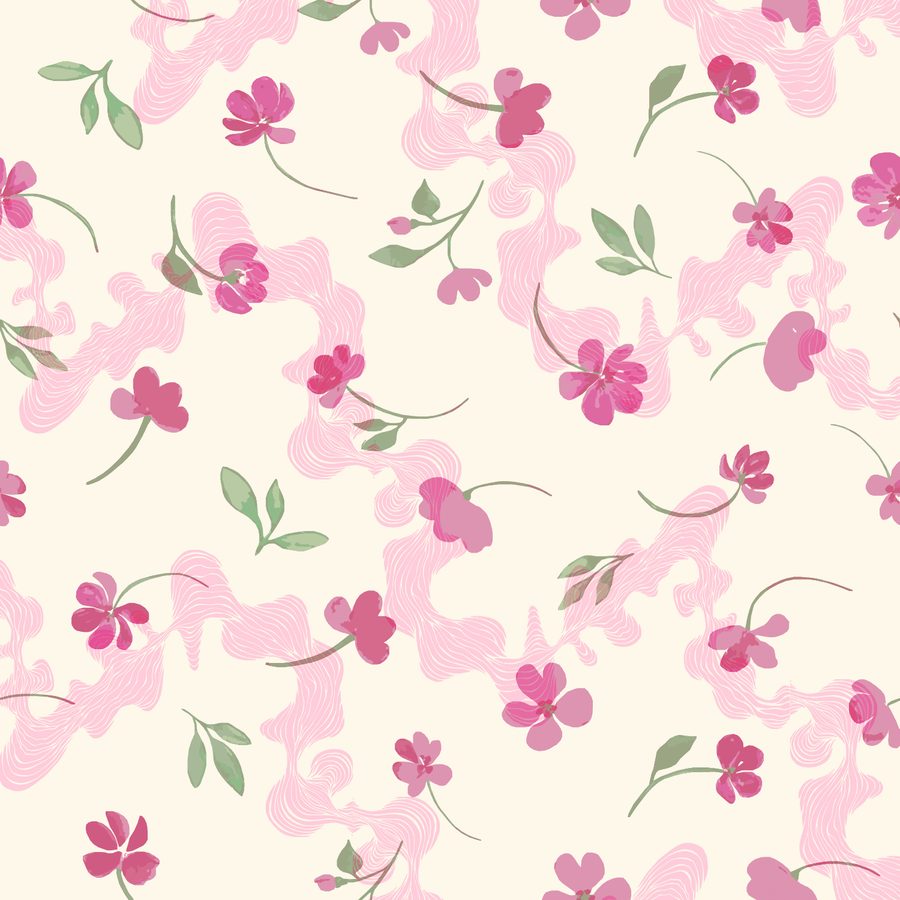
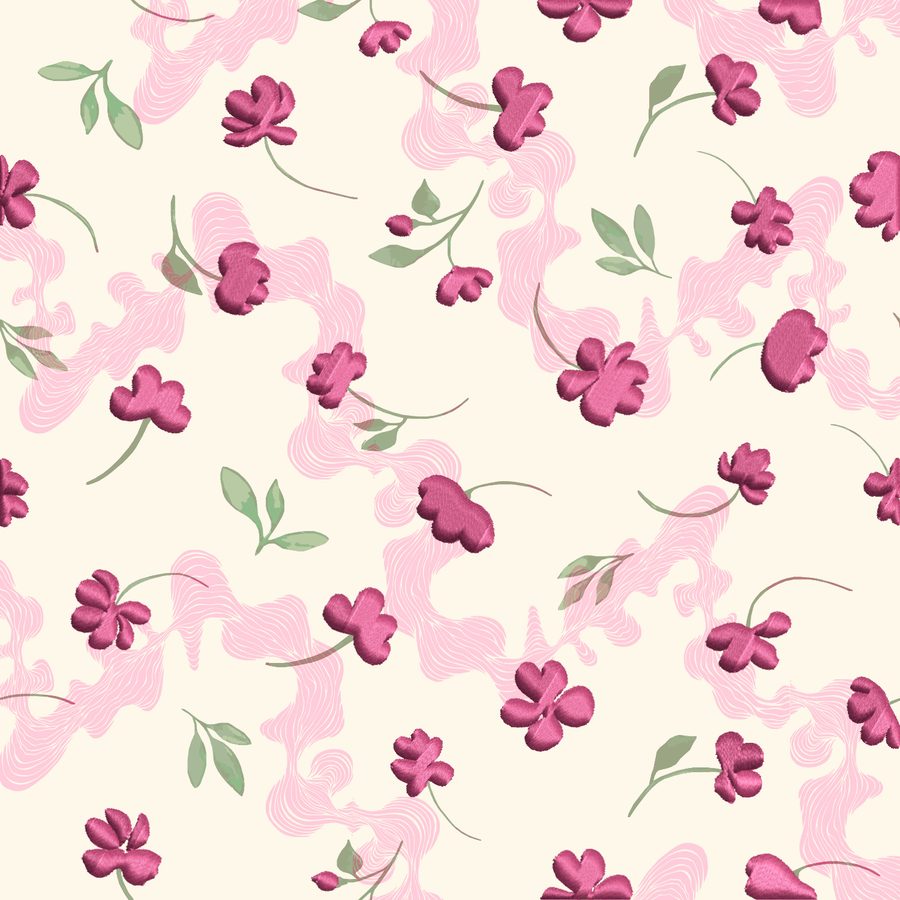
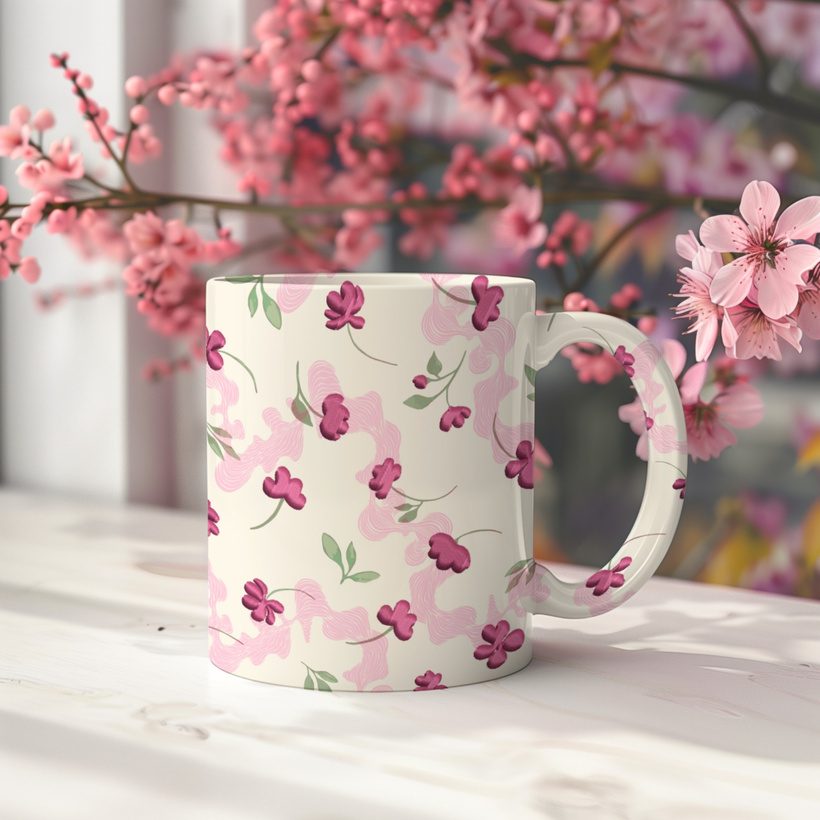
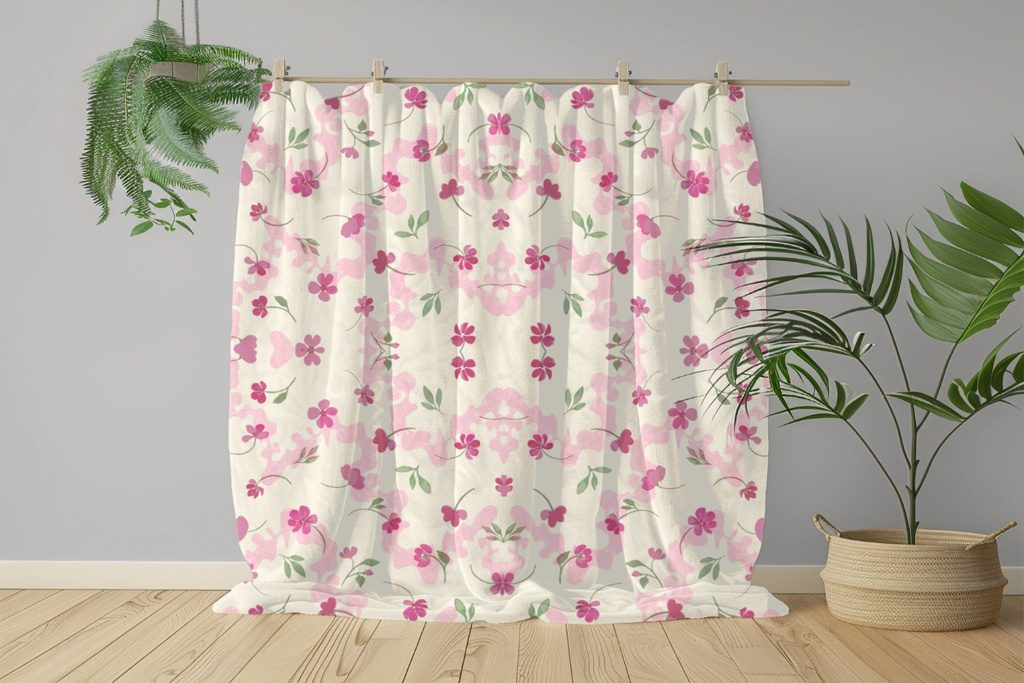
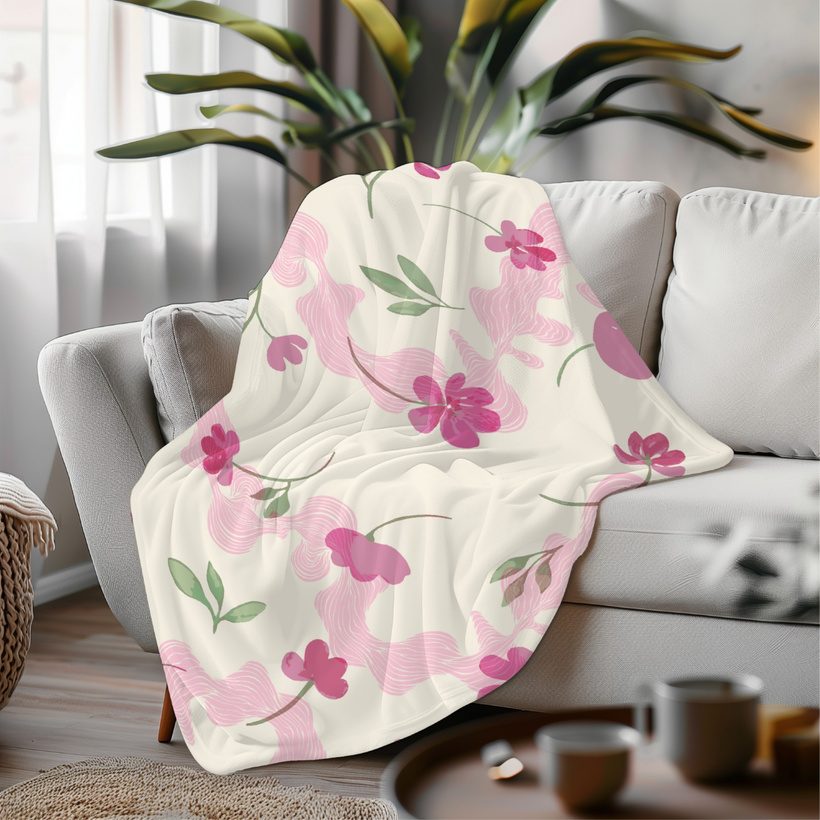
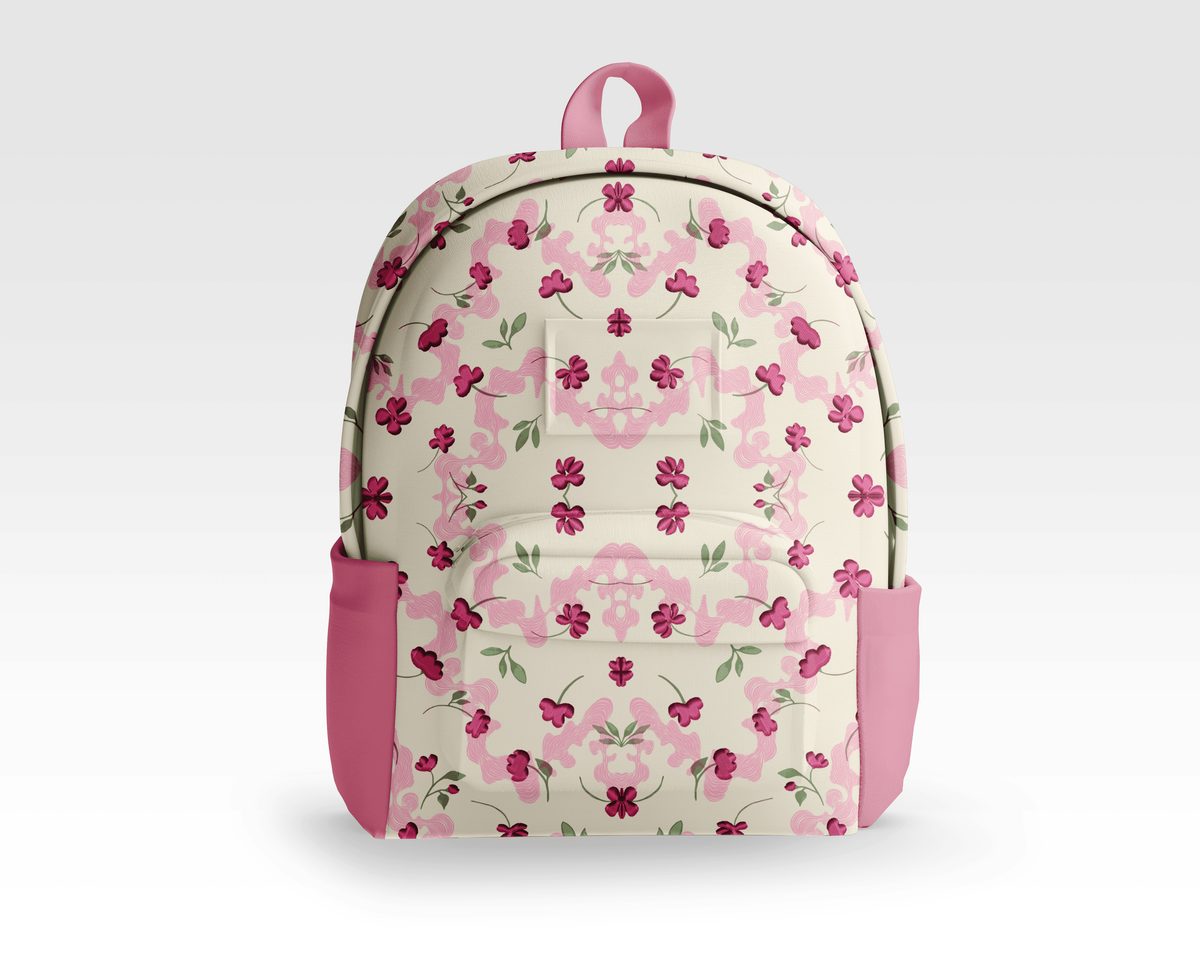
The final brief brought the workflow together into a resolved floral surface collection — moodboard and pattern exploration, a finished repeat developed in two colourways with an embroidered variant, and the print applied across a range of product mockups.
Print & Embroidery
A soft, painterly floral set over a marbled ground, resolved into a seamless repeat and rendered as both a flat print and a raised, embroidered colourway.
Collection · Moodboard
Final Print · Composition
Final Print · Embroidered Colourway
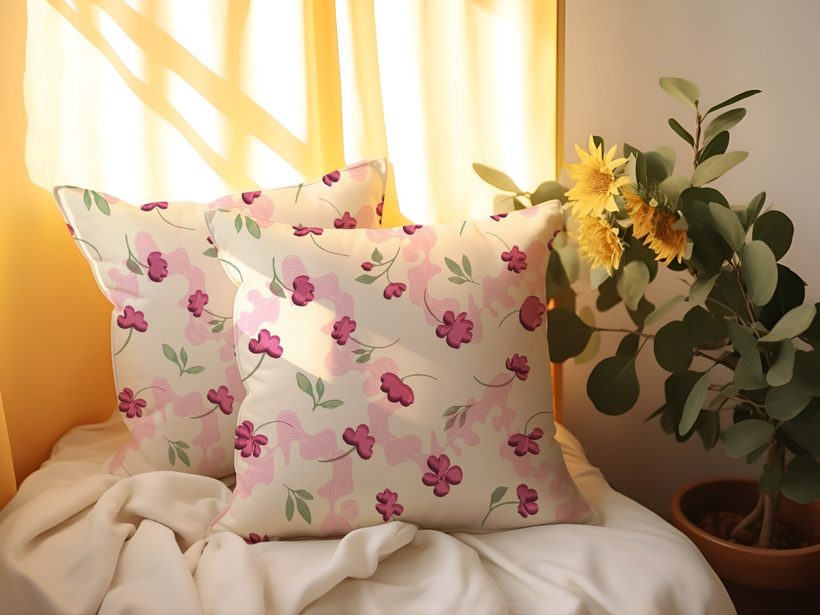
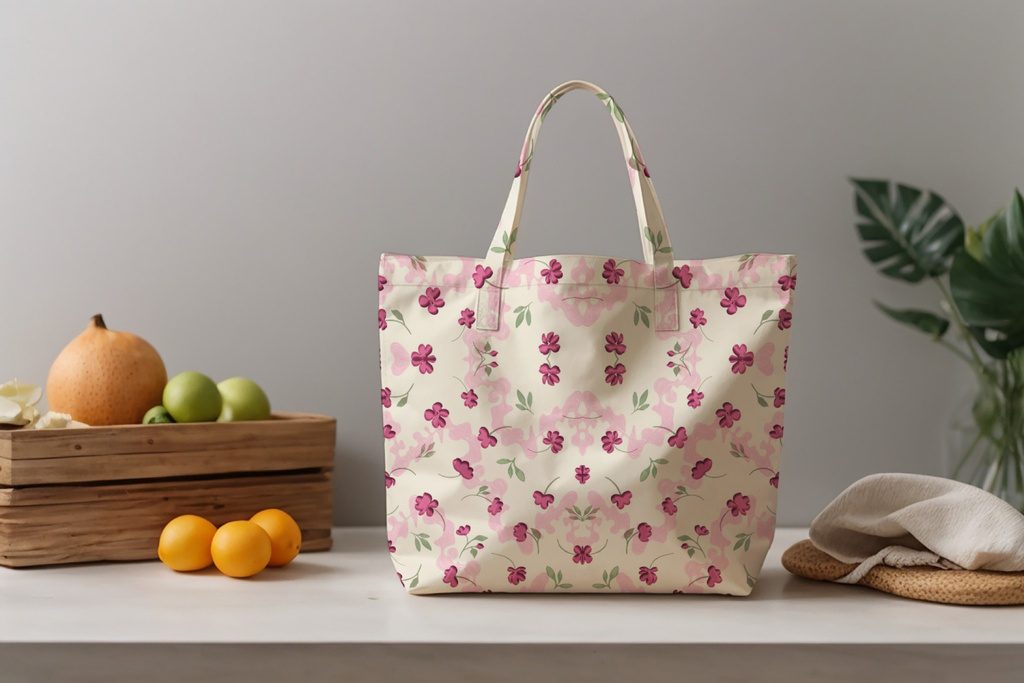
Applied Mockups
The finished print visualised across homeware and accessories — showing how a single surface design scales from soft furnishings to carried products.